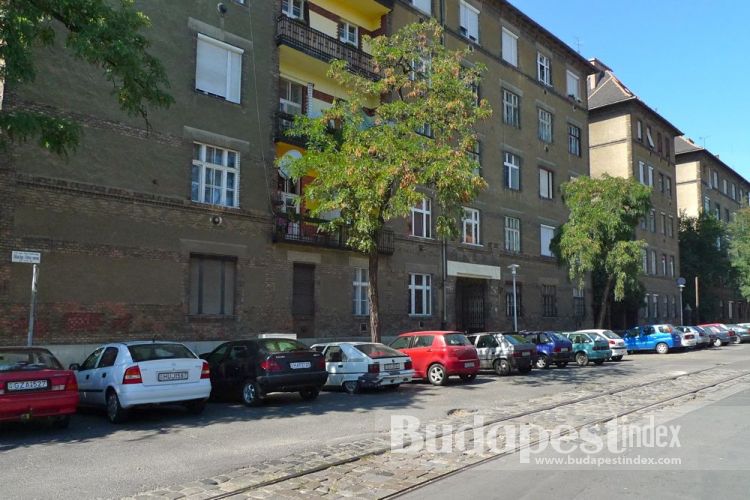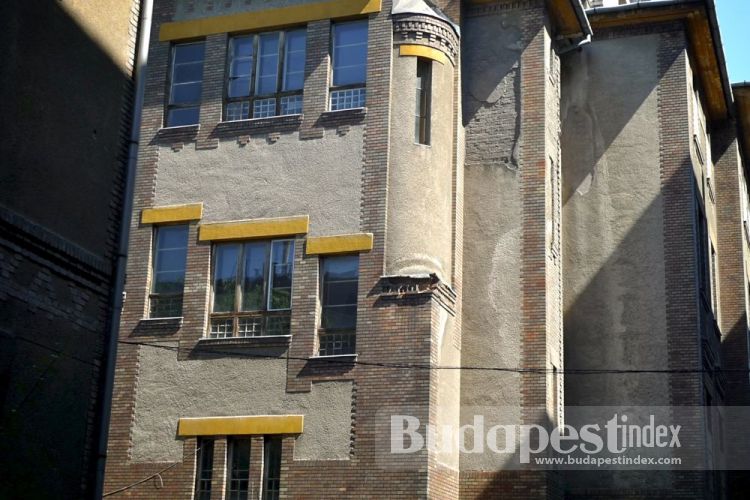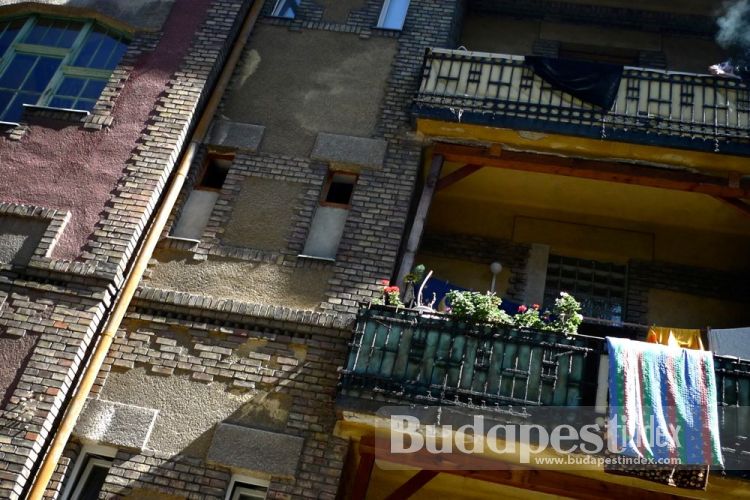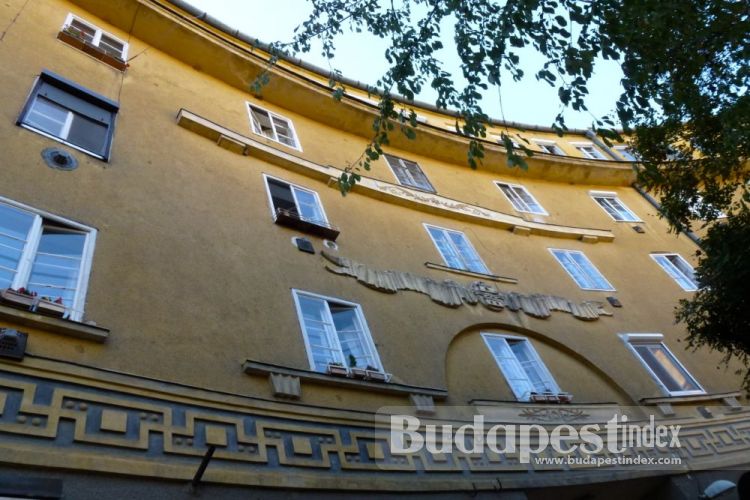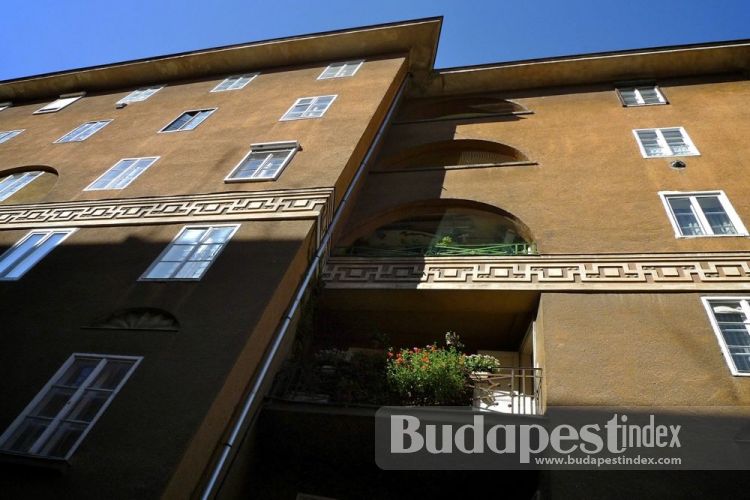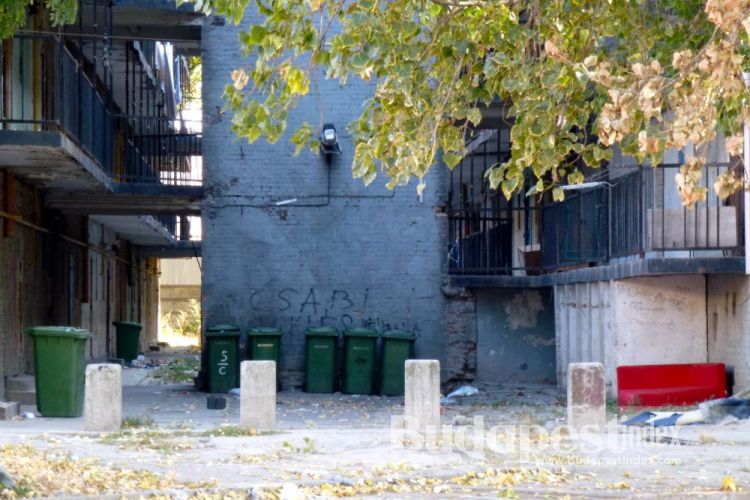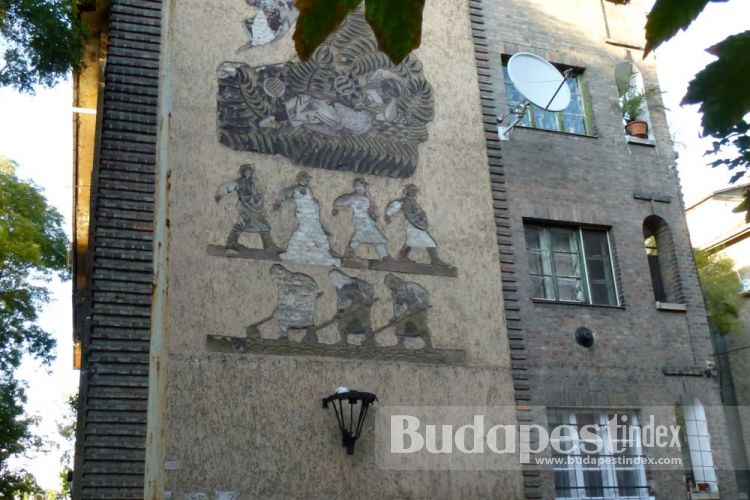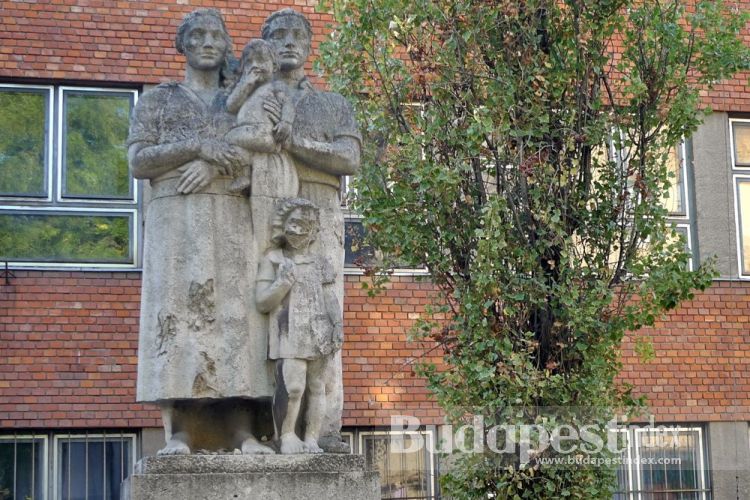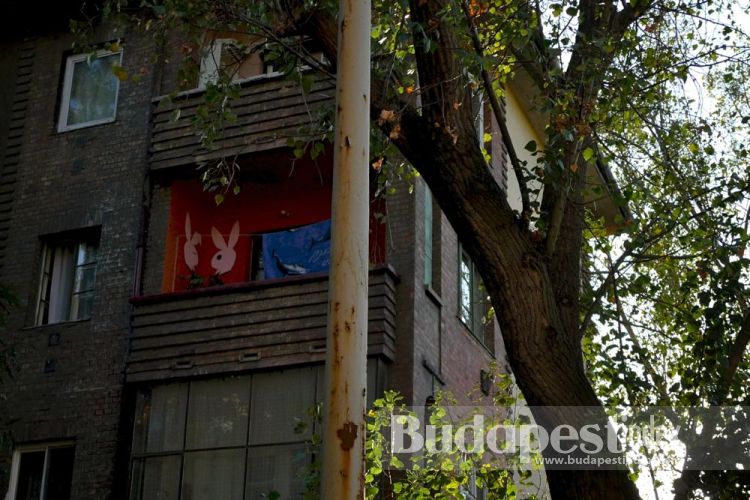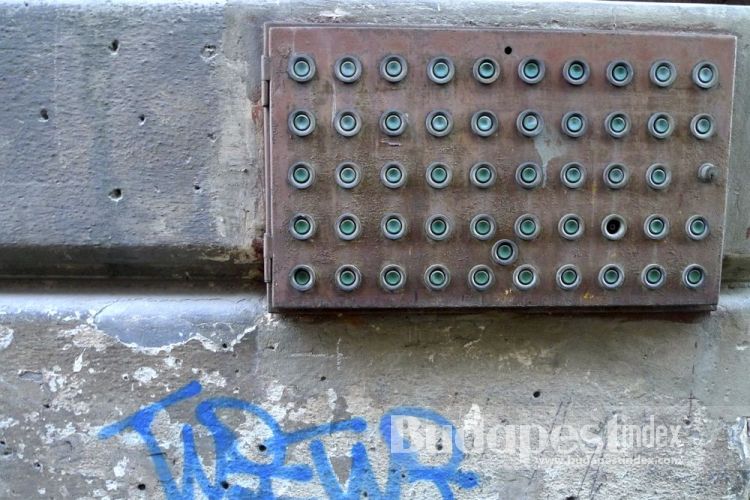
MÁVAG kolónia in 8th district, the housing estate for workers of Machine Factory of the Hungarian Royal Railways, was built in just 16 months in 1908-1909.
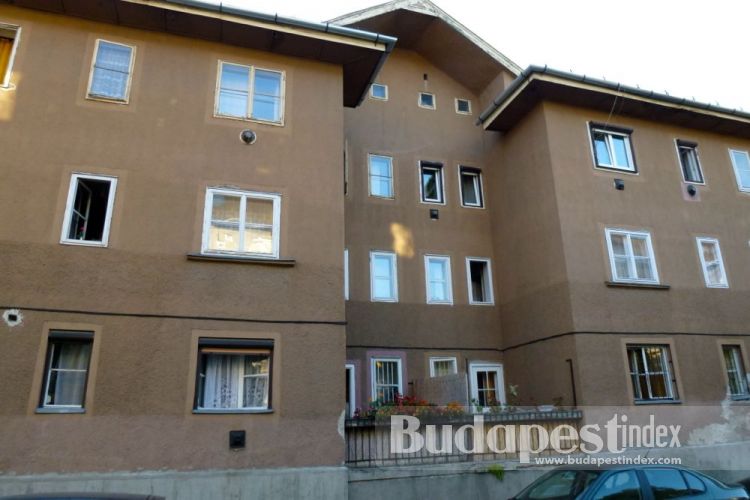
Still standing today, it is a fortress-like structure of several 5-floor buildings with entrances from the inner courtyard. Inside the “fortress” there are more apartment blocks and a huge communal building.
In addition to 2 and 3-room flats for civil servants there were 645 rooms with kitchens for workers.
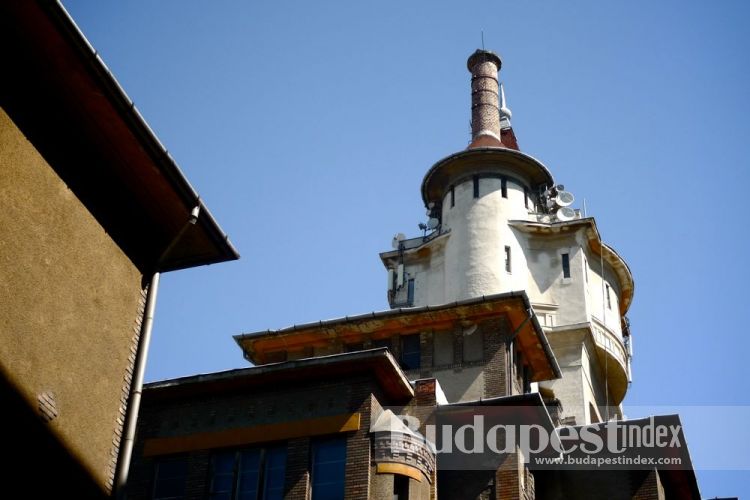
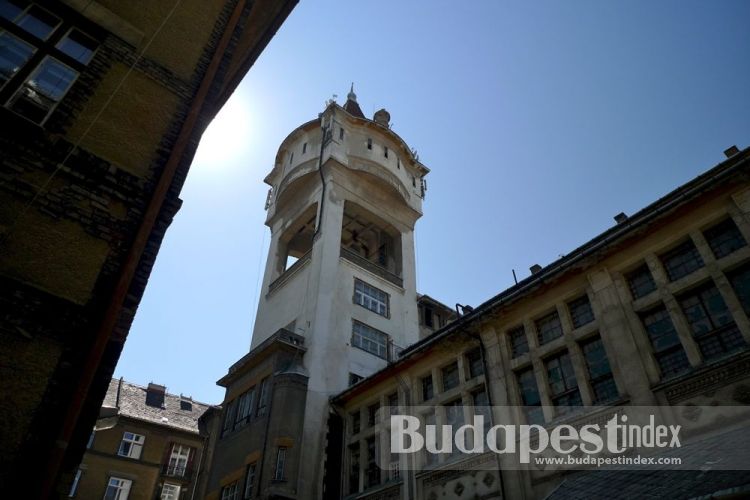
It was indeed an independent colony that had a nursery for 60 children, laundry, bathing facility, restaurant, bowling alley and even an ice factory that supplied the residents with ice bars to keep their food fresh. Its doctors' offices were equipped with X-ray and a quartz lamp which were a big rarity in those days. The estate also had its own water tower.
After the firm was nationalized, the rich communal life of MÁVAG colony came to a halt, and services were terminated one by one. Today, the colony carries on with many descendants of its original residents, but its condition is far from perfect.
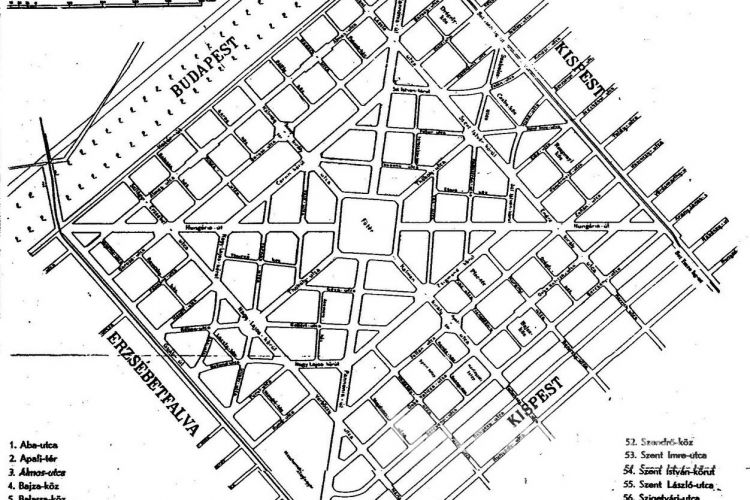
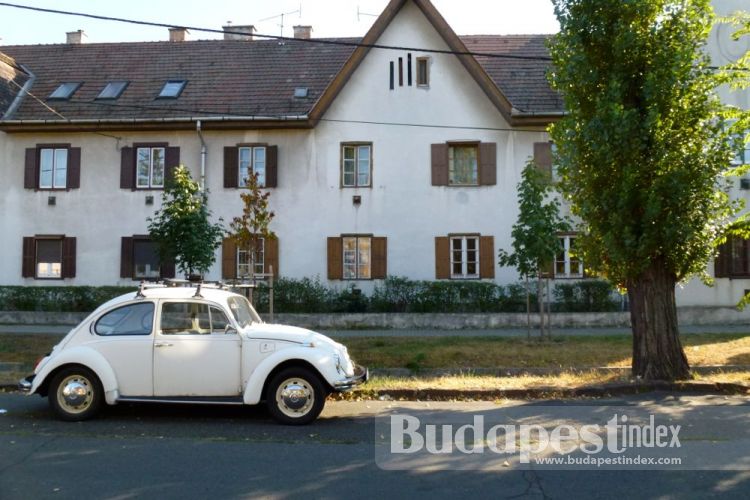
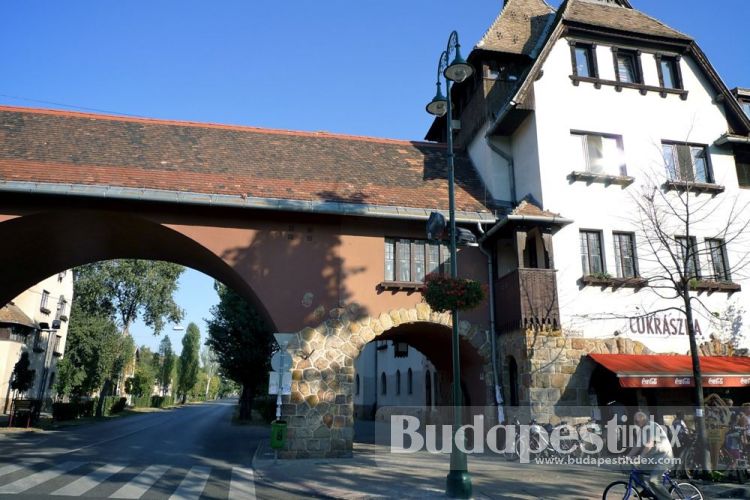
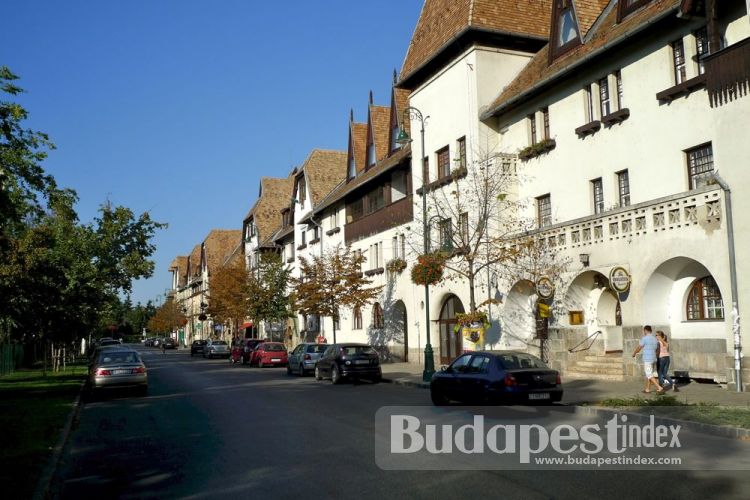
Another notable government-funded housing project named Wekerle after Hungarian Prime Minister was the construction of almost 4000 flats between 1909 and 1926 for the employees of state-owned companies.
These were 1-3-room flats in grouped bungalows of 48 standard designs.
In its heart Wekerle has big, well-groomed park surrounded by cafes, shops and services. Here it feels like village life in the Middle Ages.
Today, Wekerle Estate with its strict layout and Transylvanian style is country’s historical heritage, a safe garden town for middle class.
The World War I ended for Hungary with the Treaty of Trianon and influx of refugees from cut-off territories. At first they were accommodated in schools, army barracks and hospitals, but there was not enough space for all of them.
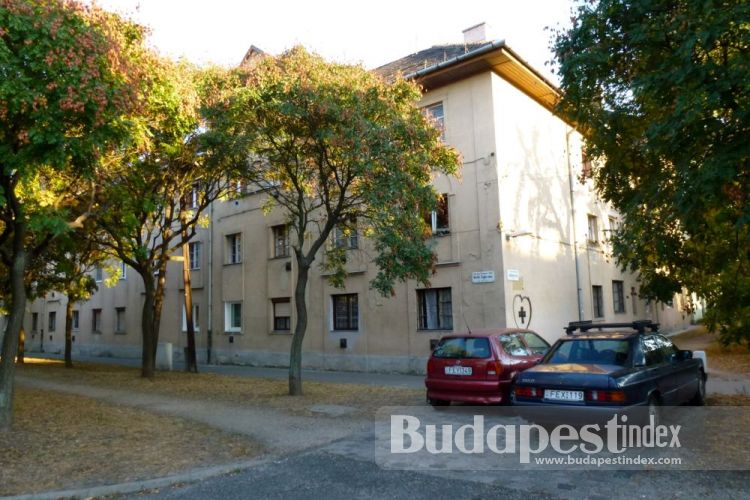
The clusters of quite dull houses in
Stróbl Alajos utca were built in 1921-1924 as temporary lodgings for the refugees. They survived another war and many governments, they still stand.
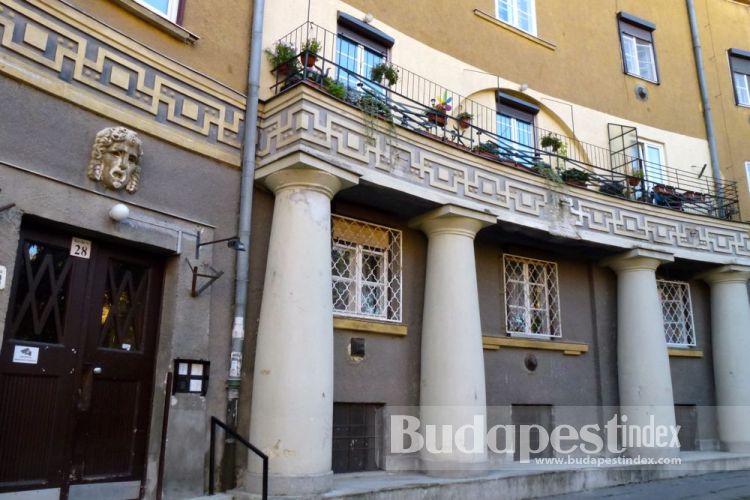
In 1927 a firm owned by the English-Hungarian Bank built a large 5-building estate in Óbuda.
The houses were of very good quality, they had 460 apartments with 1 to 4 rooms and a lift in each stairwell which showed that they were meant rather for civil servants than workers.
It is an impressive Neo-Classical complex, which to this day remains a landmark of Óbuda.
Three uniform houses built in the
industrial area of Budapest in 1936-37 were part of governmental program of constructing temporary flats for homeless and poor.
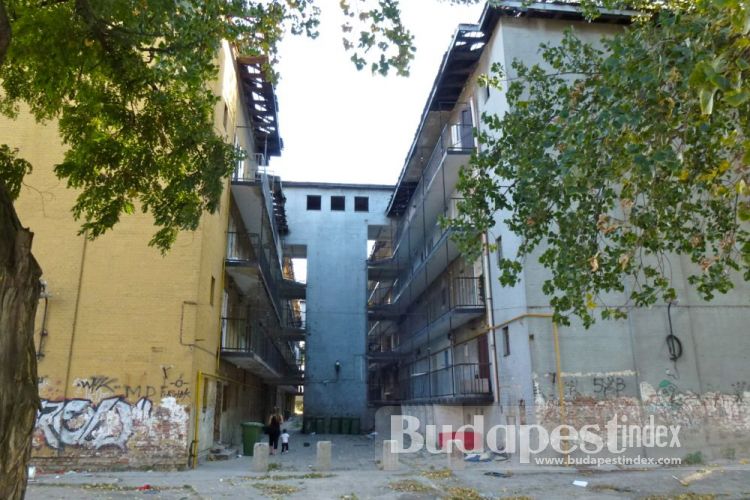
There were 376 flats in the three buildings connected by staircases. Each pair of flats shared one lavatory. It is estimated that in 1938 each apartment had 8-9 occupants, and the entire population of the estate could have been around 3600 people. It was ghetto. It changed the neighbourhood that consisted mainly of factory workers.
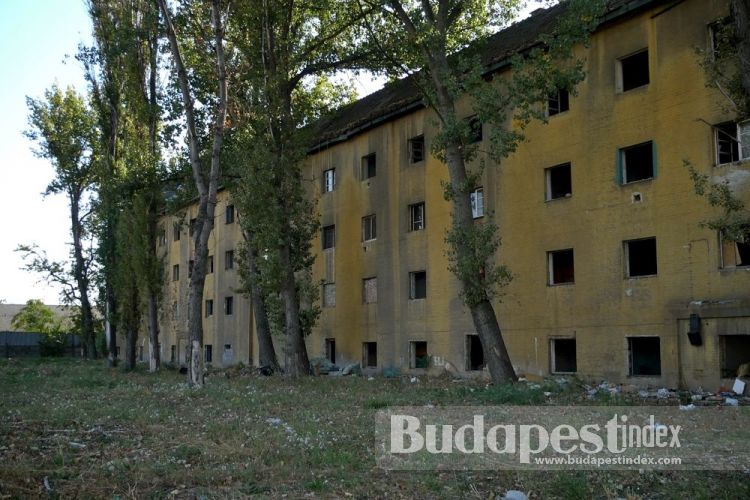
Over 70 years passed. One of three buildings is derelict, but ghetto lives on.
The housing estate
Pongrác úti lakótelep built in 1938-41 is the fine example of late 30th architecture: functional, yet with a few decorative elements.
Naturally, the decorations were in the authoritarian regime style, so widespread back then.
However, the glory days are gone, and this area is considered today unsafe.
To be continued.
Comments:
Post new comment